Trustpilot
top of page
IMG-0193.JPG

Welcome to Engage!

IMG_1838.HEIC
Volunteers watching african sunset from Kopje

Go beyond wildlife tourism and become part of real conservation research in the African bush.

Engage Conservation Africa offers a hands-on wildlife research and conservation experience in the northern Limpopo region of South Africa, where some of Africa’s most iconic wildlife lives alongside farms, private reserves, hunting areas and local communities.

This is a landscape where conservation is rarely straightforward. Lions, leopards, hyenas, elephants and other species must navigate an increasingly fragmented environment, moving between different land uses and facing threats including human-wildlife conflict, habitat fragmentation, illegal hunting and poaching.

Our aim is simple: to use practical field research to understand these challenges and find better ways for people and wildlife to coexist.

As a volunteer, you won’t simply observe wildlife from a vehicle. You will become part of our field team and contribute to ongoing conservation research and monitoring projects.

Depending on the projects running during your stay, you may be involved in:

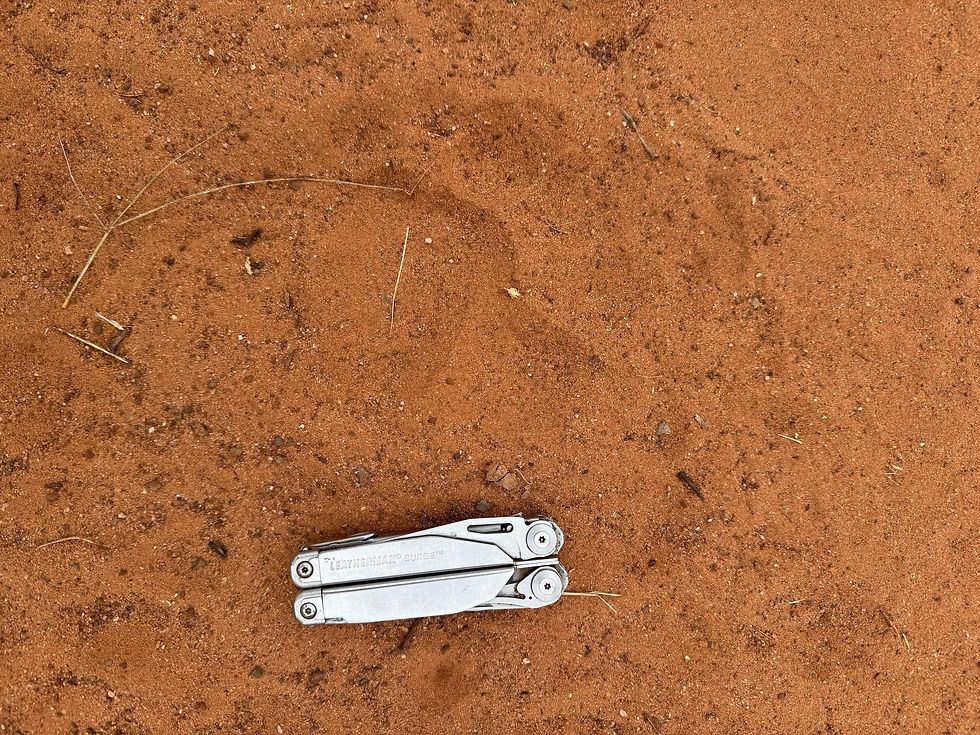
  • Tracking lions, leopards, hyenas and other wildlife using spoor, tracks and other field signs.

  • Conducting wildlife and predator surveys along established transects.

  • Deploying and checking camera traps and analysing the information they collect.

  • Recording animal behaviour and collecting ecological data.

  • Mapping wildlife movements, habitat and important areas using GPS and GIS technology.

  • Monitoring predator populations and identifying individual animals and prides.

  • Supporting anti-poaching patrols and searching for signs of illegal activity.

  • Investigating how wildlife uses areas shared with farms, reserves and local communities.

  • Collecting evidence that can help us understand human-wildlife conflict and inform future conservation strategies.

  • Assisting with research projects involving universities, students and conservation partners.

The data collected by volunteers contributes to real, ongoing conservation projects. Our research is used to build a better understanding of wildlife populations, movements, behaviour and threats within the landscape, helping us identify areas where conservation action is most needed.

One of the most important aspects of our work is understanding what happens beyond the boundaries of individual reserves. Wildlife does not recognise fences, property boundaries or political borders, and predators in particular may travel considerable distances in search of food, water and suitable habitat. By documenting these movements, we can begin to identify important wildlife corridors and areas where human-wildlife conflict is more likely to occur.

We also believe that conservation must benefit people as well as wildlife. In the future, we aim to work increasingly with local communities to develop conservation education, employment opportunities and alternative sources of income, helping create a landscape where protecting wildlife becomes a valuable part of the local economy.

A genuinely hands-on experience

Our volunteers come from many different backgrounds. You don’t need to be an experienced wildlife researcher to take part — enthusiasm, curiosity and a willingness to learn are far more important.

You will receive practical instruction in field techniques and gradually develop skills in wildlife tracking, camera trapping, data collection, GPS navigation, wildlife identification and ecological research.

For students and people pursuing careers in conservation, ecology, veterinary science, zoology or wildlife management, the programme also provides an opportunity to gain genuine field experience and understand what conservation work looks like outside the classroom.

But above all, this is an opportunity to experience the African bush in a way that goes beyond simply seeing animals.

You may spend a morning following the tracks of a lion, an afternoon checking camera traps, the next day mapping wildlife movements or searching for signs of hyena activity. Some days will bring extraordinary wildlife encounters; others will involve long hours collecting detailed field data. Both are equally important.

Every track, photograph, GPS point and observation contributes to a bigger picture.

By joining Engage Conservation Africa, you are not just coming to South Africa to see wildlife. You are helping us understand it, protect it and find ways for it to continue sharing this landscape with people.

Social Impact

Engage Conservation Africa is working to address one of the most complex challenges facing wildlife in northern Limpopo, South Africa: how can we protect wildlife while creating a landscape where people and wildlife can coexist?

Our work takes place in a challenging and rapidly changing environment where lions, leopards, hyenas, elephants and other wildlife move through a landscape shared with commercial farms, private reserves, hunting areas and local communities. As natural habitats become increasingly fragmented, wildlife is exposed to roads, fences, human activity, illegal hunting and other pressures. Predators in particular can come into conflict with livestock owners and people, while wild animals moving between properties can become vulnerable to persecution or removal.

We believe that effective conservation must go beyond simply protecting individual animals. We need to understand how wildlife uses the landscape, identify where the greatest threats occur, and work with people to develop practical solutions.

What have we achieved?

Our projects have already generated valuable field data and practical conservation outcomes across northern Limpopo and the wider Mapungubwe landscape.

  • Wildlife monitoring and research: We conduct camera-trap surveys, spoor and scat transects, behavioural observations and habitat-use studies to establish where wildlife is present, how populations are using the landscape and how their behaviour changes in response to environmental pressures.

  • Predator conservation: A major focus of our work is understanding and protecting species such as lions, leopards and hyenas. Our lion monitoring work has involved mapping movements, identifying individuals and prides, recording spoor and behaviour, and monitoring areas of importance to predator populations.

  • Human-wildlife conflict: By collecting evidence about wildlife movements and the areas where animals and people overlap, we aim to help identify potential conflict hotspots and develop more effective strategies for reducing conflict before it results in injury, livestock losses or the persecution of wildlife.

  • Anti-poaching and wildlife protection: Volunteers contribute directly to anti-poaching activities, including field patrols, spoor and activity searches, monitoring of vulnerable areas and the identification of signs of illegal activity. This work helps protect both predators and their prey.

  • Landscape mapping: GPS data, wildlife sightings, camera-trap records and field observations are being used to build a better understanding of how animals move through the landscape. This information can ultimately help identify important wildlife corridors and areas requiring greater protection.

  • Evidence-based conservation: Where we encounter evidence of potentially harmful or illegal practices, we document observations and gather information that can help discourage inappropriate activity, support land managers and inform future conservation projects.

  • Building conservation skills: Our volunteers and students receive practical training in wildlife tracking, camera trapping, GPS use, field surveying, behavioural observation, data management and spatial mapping. This creates a growing network of people with real-world conservation skills and experience.

  • Supporting future conservation scientists: We work with university students, researchers and volunteers, providing hands-on experience in field research and conservation. This helps develop the next generation of conservation practitioners while simultaneously increasing the amount of useful field data being collected.

What comes next?

Our long-term goal is to develop a more connected and collaborative approach to conservation across the northern Limpopo landscape.

We want to:

Engage and educate local communities — helping people understand the ecological and economic value of predators and other wildlife, while working towards practical solutions to human-wildlife conflict.

Map and protect wildlife corridors — identifying important routes used by animals moving between farms, reserves and other natural areas, with the aim of encouraging safer movement through an increasingly fragmented landscape.

Increase local employment opportunities — developing opportunities for local people to become involved in wildlife monitoring, conservation and research, providing valuable skills and alternative sources of income that can reduce reliance on activities such as poaching.

Expand collaborative research — working with landowners, universities, conservation organisations and local stakeholders to combine data and create a much larger picture of wildlife movements, threats and conservation priorities.

Turn research into action — ensuring that the data collected in the field doesn’t simply remain in spreadsheets or research reports, but is used to influence land management, improve wildlife protection and guide future conservation decisions.

Ultimately, our aim is to help create a landscape where wildlife has space to move, local communities benefit from conservation, and people and wildlife can coexist more successfully.

Every volunteer who joins Engage contributes to this process. Whether collecting camera-trap data, tracking predators, conducting surveys, supporting anti-poaching activities or helping us understand how animals use the landscape, their contribution becomes part of a growing body of practical conservation research.

Why Choose Engage?

IMG_7365_edited.jpg

Whether you’re looking for a 2-week conservation adventure, a 4-week research experience, or a 12-week immersive placement or internship, Engage Conservation will provide an enriching experience that teaches several aspects of conservation methods and a wealth of transferrable skills.


As your host and field guide, Michael will employ his years of experience working in the African bush to help you learn conservation skills, support your research objectives, or simply provide a friendly and engaging trip!

​​

Our programmes are built around all our ongoing projects. We want each volunteer to gain practical fieldwork experience  and learn real world skills across several disciplines in wildlife and habitat conservation and management.


All experiences of 4 weeks and longer have the option to include a Kruger Park visit.

See what makes Engage unique:

Our Goals

Engage Conservation is dedicated to making sustainable and impactful contributions to the ongoing  issues in wildlife conservation and human-wildlife conflict in northern South Africa. This includes: ​

  • Working with local guides and the community to support sustainable solutions to current issues

  • Developing our own projects to monitor animal populations and protect habitat along with supporting local anti-poaching and wildlife conservation initiatives

  • Collaborate with other research and conservation organisations to share data and provide a bigger picture of wildlife conservation and its challenges across South Africa

A baby baboon sucking his thumb. Baboon troops are often seen at engage conservation africas site. You will often be greeted by the calls of baboons on waking up.

What to expect

20230706_170934_edited.jpg

An experience with Engage Conservation will keep you busy from dawn till dusk working on an array of our current projects.


You’ll explore some of South Africa’s incredible natural landscapes from Baobabs to Coppies and immerse yourself in local culture in this remote area.

Come and join us for a unique African experience - adventure awaits!

Photo Gallery
Ready to join us?

We can't wait to welcome you for your next adventure.

Frequently asked questions

CONTACT

Engage Conservation Africa

15 Plantin Road, Sherwood, Nottingham, NG5 1QT

Thanks for submitting!

We’ll only use your details to respond to your enquiry and, if you’ve opted in, to send emails from Engage Conservation. You can unsubscribe at any time. You can read more about how we handle your data in our Privacy Policy.

Engage logo - white.png

Engage Conservation Africa

  • TikTok
  • Instagram
  • Facebook
  • Youtube

All photographs on site taken by and copyrighted to Michael Bradley unless otherwise stated.

©2022 by Engage Conservation Africa. Created with Wix.com

bottom of page